Music Tracing Worksheets
Master Music Notation with Music Tracing Worksheets
Reading music starts with writing it by hand. These tracing worksheets connect symbol recognition with structural understanding. When students trace treble clefs or half notes, they build the muscle memory and spatial awareness needed for music theory and composition.
The Benefits of Tracing in Music Education
Tracing works well in early childhood and elementary music classes. These printable PDF resources support:
- Fine motor skills. Guiding a pencil through a five-line staff builds control and precision.
- Symbol recognition. Tracing a symbol reinforces its name and function.
- Confidence. Tracing gives students a safety net when drawing complex symbols like bass clefs or sharps.
- Spatial awareness. Placing a note head on the right line or space prepares students for sight-reading.
What Our Tracing Collection Includes
Our library offers printable tracing exercises:
- Step-by-step guides for Treble, Bass, and Alto clefs.
- Note anatomy for whole, half, quarter, and eighth notes, along with stems and flags.
- Practice sheets for rests, sharps, flats, and naturals.
- Exercises on time signatures and bar lines to teach measure structure.
Use in Classrooms and Home Studios
These PDF worksheets adapt to multiple settings:
- Music centers for small group rotations.
- Five-minute bell ringers to start a lesson.
- Private piano or violin lessons to reinforce theory between pieces.
- Homework that parents can supervise at home.
Explore our music tracing worksheets to give students the hands-on practice they need to write music with confidence.
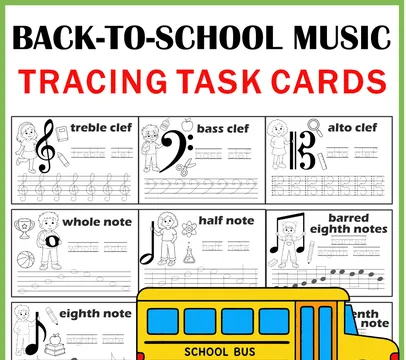
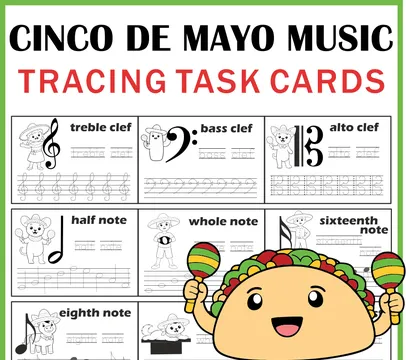
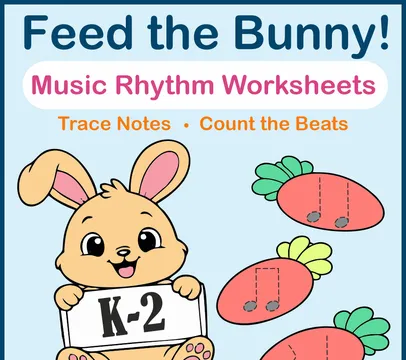
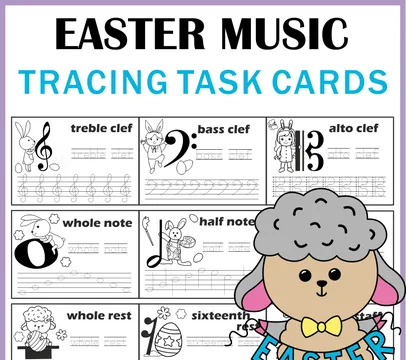
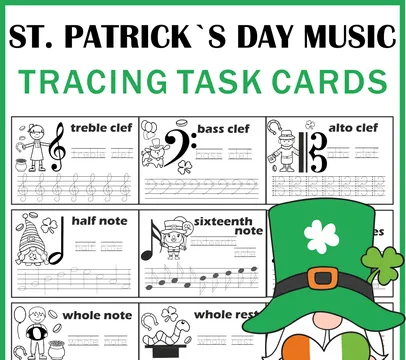

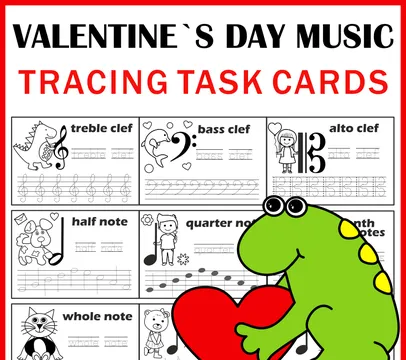
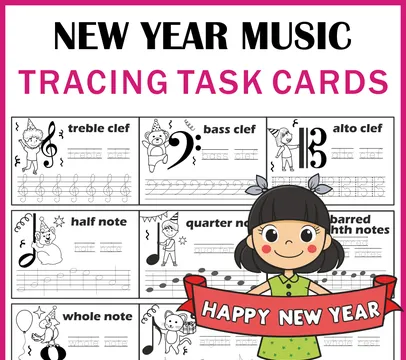
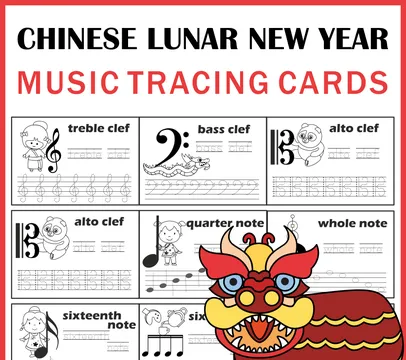
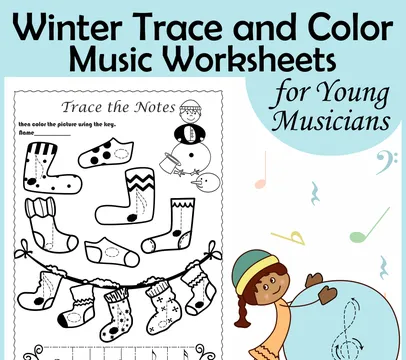
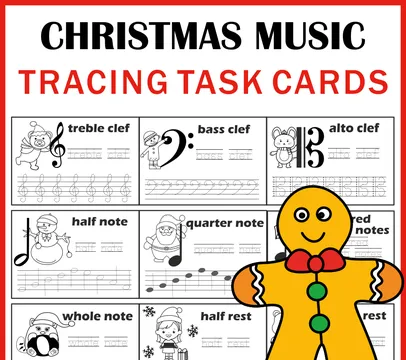
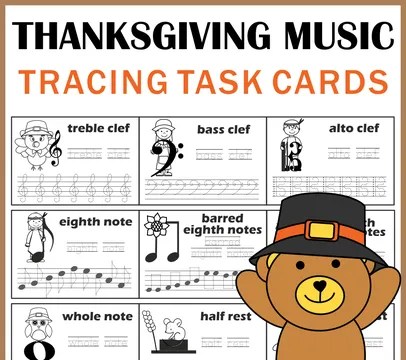
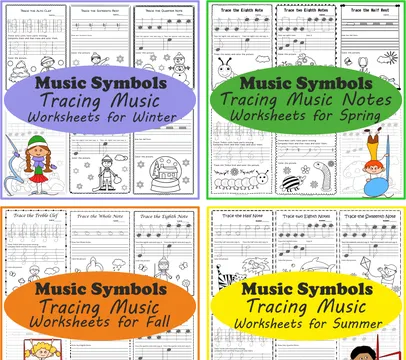
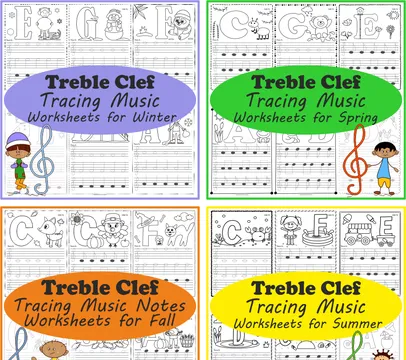
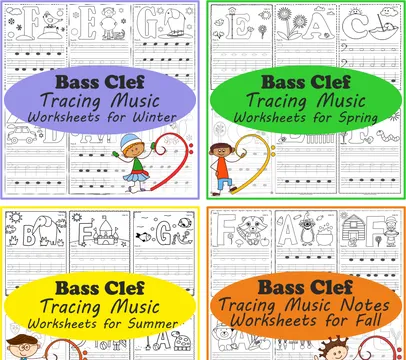
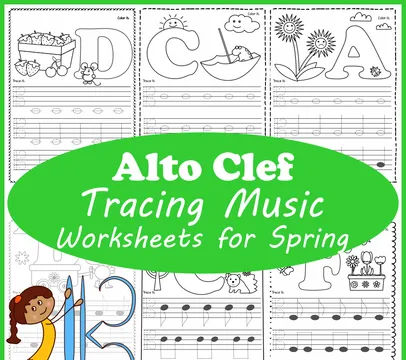
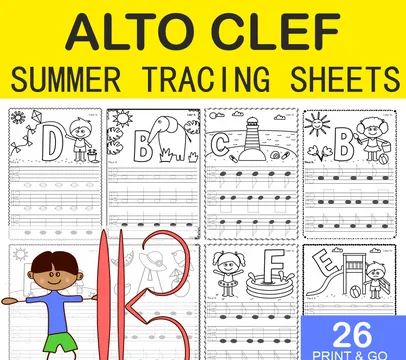
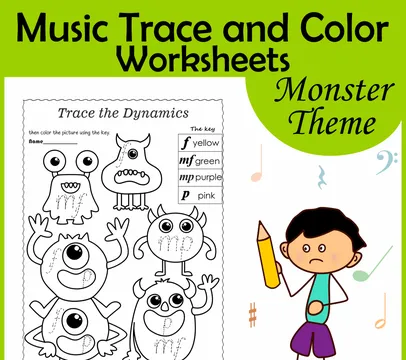
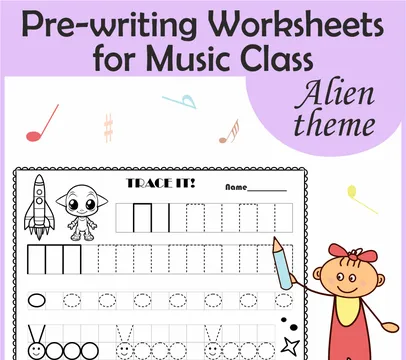
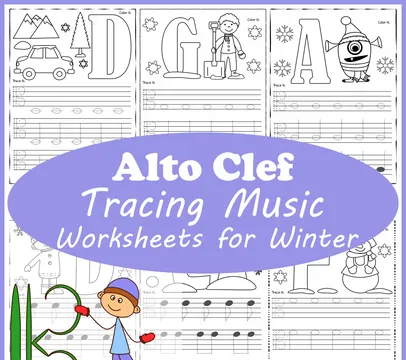
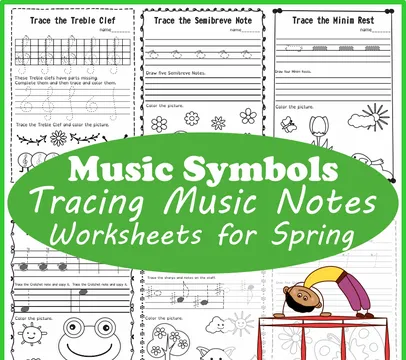
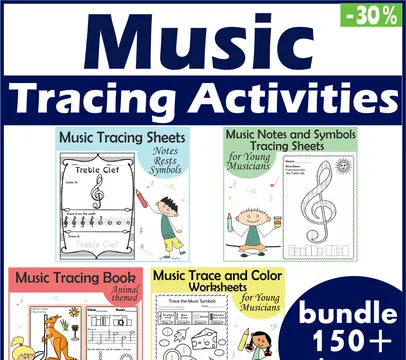
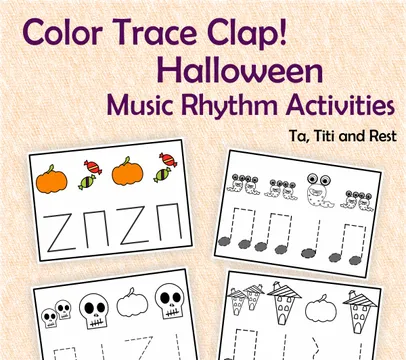
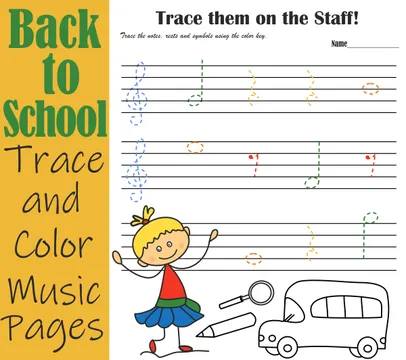
List of blog posts with tag: Music Tracing Worksheets
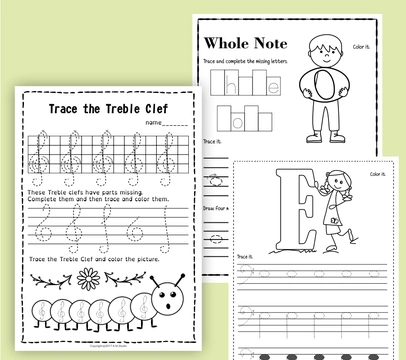
Frequently Asked Questions
All our worksheets are available as high-quality printable PDF files. Once you select the set you need, download the file to your computer and print it using standard A4 size paper. You can print as many copies as needed for your personal classroom or home use.
Tracing is ideal for students as young as 4 or 7 (Pre-K and Kindergarten) who are just beginning to develop their grip and fine motor skills. However, even older beginners benefit from tracing complex symbols like the G-clef to ensure they are drawing them correctly and legibly.
To save paper and ink, place the printable pages inside clear plastic dry-erase sleeves or laminate them. Students can use dry-erase markers to trace the notes and clefs, wipe them clean, and pass them to the next student. This is a cost-effective way to use the resources year after year.
Yes! You can open the PDF in any annotation app (like GoodNotes, Notability, or Seesaw). Students can use a stylus to trace the musical symbols directly on the screen, which is a great way to integrate technology into your music lessons while practicing notation.
Tracing forces the brain to pay attention to the specific placement of a note on the staff. When a student traces a note on the "E" line repeatedly, they develop a stronger visual and physical connection to that pitch, which directly translates to faster and more accurate sight-reading during instrument practice.