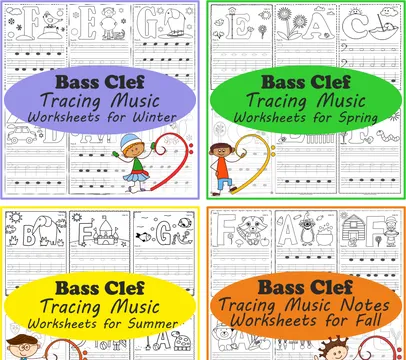
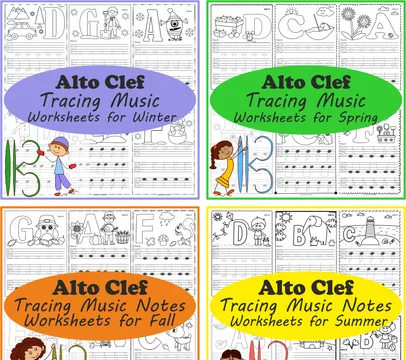
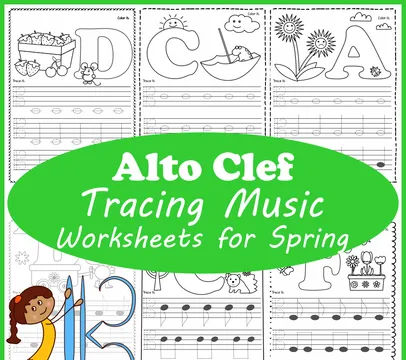
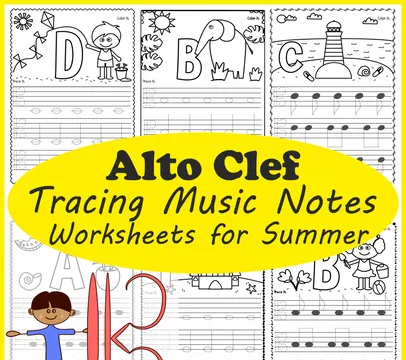
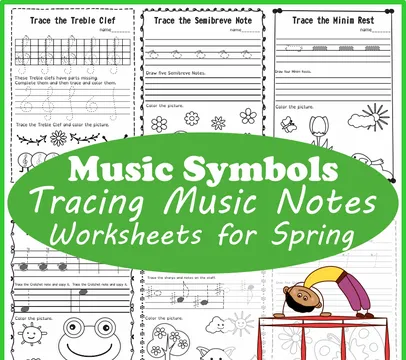
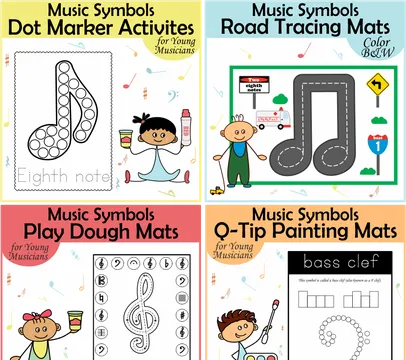
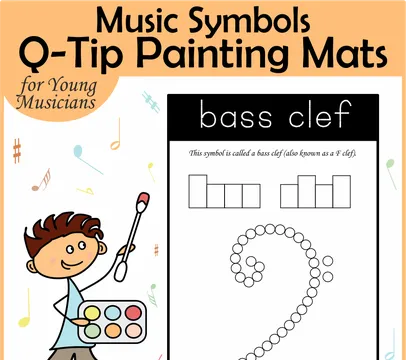
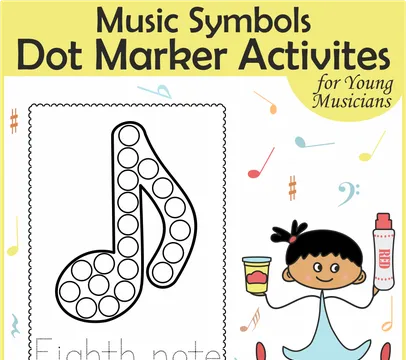
Drawing Musical Notes Worksheet Products List

Master the Art of Music Notation: Engaging Drawing Worksheets for Young Musicians

Learning to read music is a foundational skill, but drawing musical notes is what truly cements a student's understanding of music theory. Our comprehensive collection of worksheets is designed to take the frustration out of music notation, turning technical practice into an enjoyable creative process. 

Why Focus on Drawing Notes?

Writing music by hand is a powerful multisensory activity. When children physically trace a treble clef or place a sharp sign on a specific line, they develop spatial awareness on the staff and improve their fine motor skills. This practice helps bridge the gap between abstract sounds and visual symbols, making it much easier for students to transition to sight-reading and composition.

What’s Included in Our Collection?

Our worksheets cover a wide range of notation essentials, tailored for different skill levels:

  • Basic Note Anatomy: Practice drawing note heads (open and closed), stems, flags, and beams.
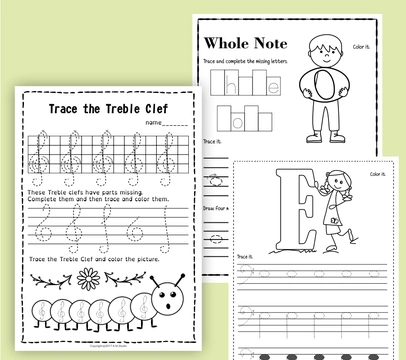
  • Clef Mastery: Step-by-step tracing guides for the Treble Clef (G-clef), Bass Clef (F-clef), and even the Alto Clef.
  • Rhythms and Rests: Dedicated sheets for drawing whole, half, quarter, and eighth notes, along with their corresponding rests.
  • Advanced Symbols: Introduction to drawing sharps, flats, naturals, and time signatures.
    Ledger Lines: Specialized exercises for notes that live above or below the standard five-line staff.

Perfect for Every Educational Setting

Whether you are an elementary music teacher following the Kodály or Orff methods, a private piano tutor, or a homeschooling parent, these resources are versatile enough to fit your curriculum. They work perfectly as:

  • Early Finisher Activities: Keep students engaged after they complete their performance tasks.
  • Assessment Tools: Quickly check a student's understanding of pitch placement and symbol recognition.
  • Homework Assignments: Reinforce what was learned during the lesson with fun, low-pressure writing practice.

By integrating these drawing exercises into your lessons, you are giving your students the tools they need to become not just music readers, but music creators. Explore our library and find the perfect set to help your students make their mark on the staff!
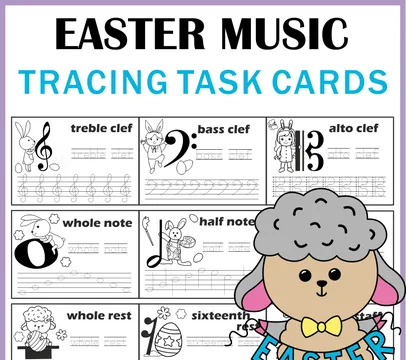
Music Tracing Task Cards for Easter | How to Draw Music Notes
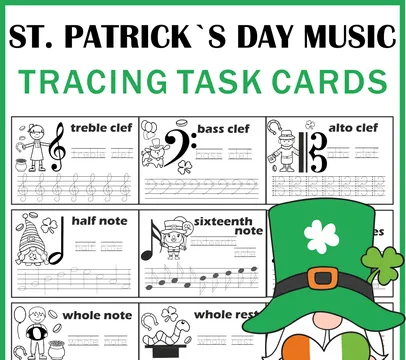
Music Tracing Task Cards for St. Patrick’s Day
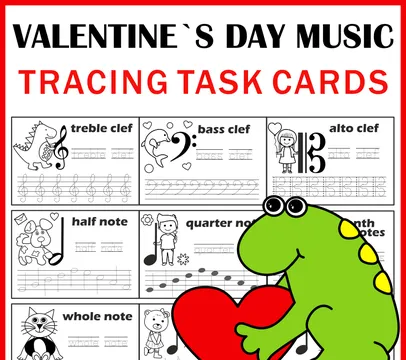
Music Tracing Task Cards for Valentine’s Day
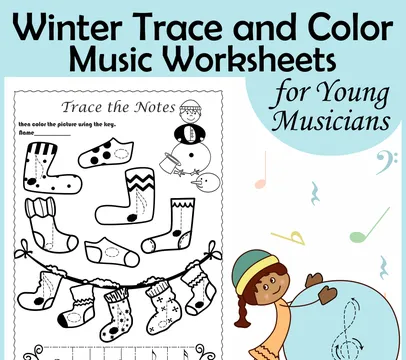
Music Tracing and Coloring Worksheets for Winter
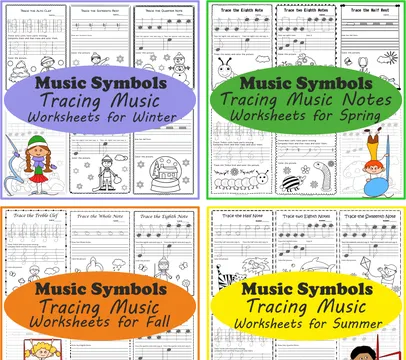
Music Notes and Symbols Tracing Worksheets Seasons Bundle
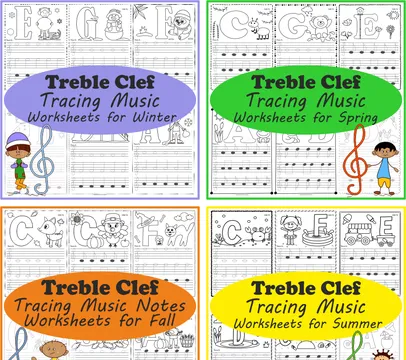
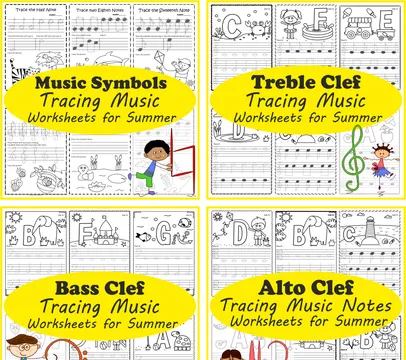
Treble Clef Tracing Music Worksheets Seasonal Bundle
Bass Clef Tracing Music Worksheets Seasonal Bundle
Alto Clef Tracing Music Worksheets Seasonal Bundle
Alto Clef Tracing Music Notes Worksheets for Spring
Alto Clef Tracing Music Worksheets for Summer
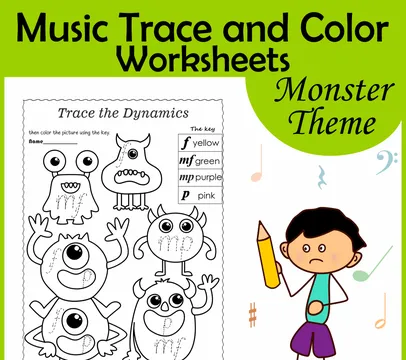
Monster Theme Music Tracing and Coloring Worksheets
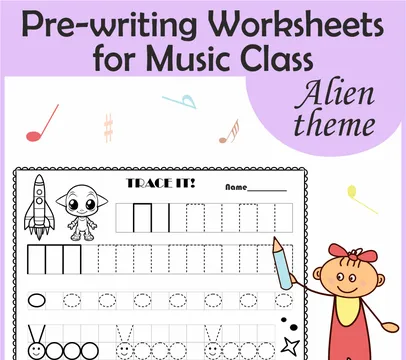
Pre-writing Worksheets for Music Class | Alien Theme
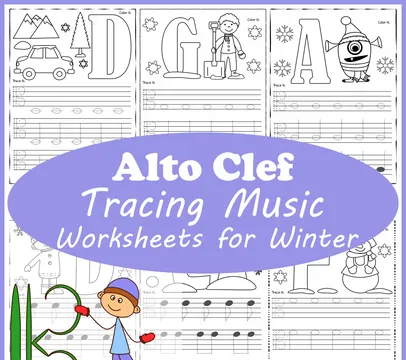
Alto Clef Tracing Music Notes Worksheets for Winter
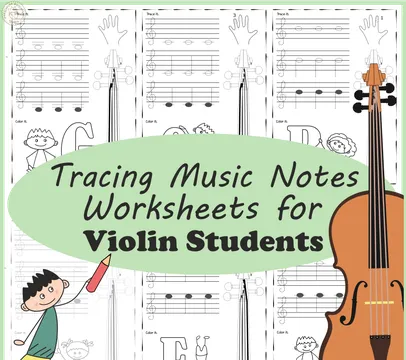
Music Tracing Notes Worksheets for Violin Students
Tracing Music Notes & Symbols Worksheets for Spring | British terminology
Music Notes & Symbols Activity Mats for Kids | Bundle
Music Notes & Symbols Q Tip Painting | Hammer It Mats
Music Notes & Symbols Dot Marker Activities
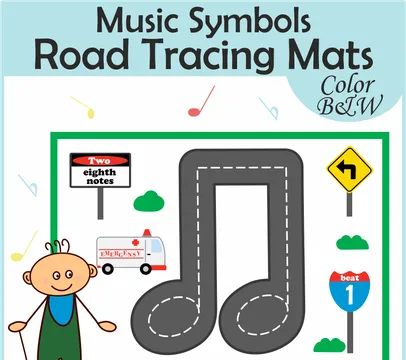
Music Notes & Symbols Road Tracing Mats
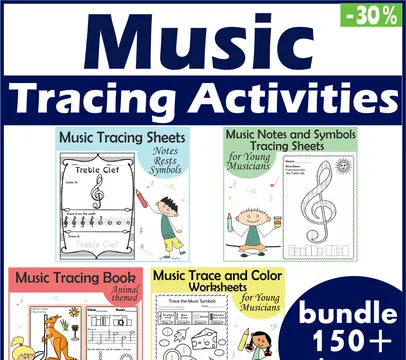
Music Tracing Activities Bundle for Kids | Drawing Notes Practice
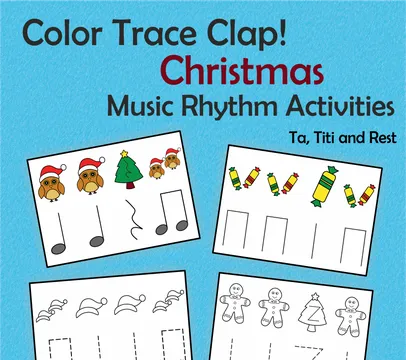
Color, Trace, Clap! Christmas Music Rhythm Activities {Ta, Ti-Ti, Rest}
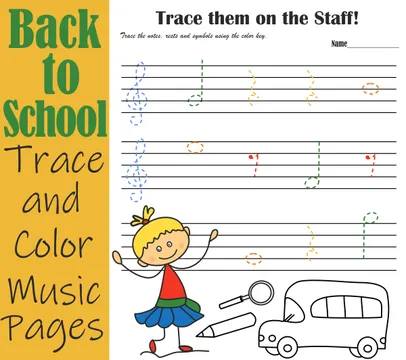
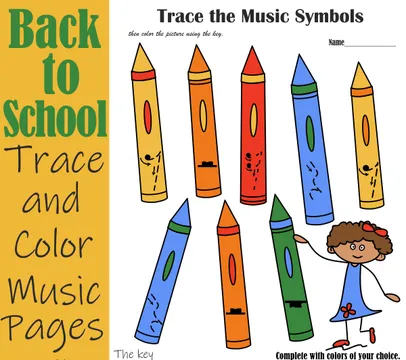
Back to School Trace and Color Music Pages #2
Back to School Trace and Color Music Pages #1
Musical Tracing Worksheets Bundle for Summer

List of blog posts with tag: Drawing Musical Notes Worksheet
The Benefits of Music Tracing Pages for Young Musicians

Frequently Asked Questions

Drawing notes engages "muscle memory," which reinforces the visual recognition of symbols. When a child physically draws a quarter note on a specific line or space, they are more likely to remember its name and pitch than by simply looking at it. This tactile approach bridges the gap between seeing music and understanding its structure.

For younger children (Pre-K to 1st grade), focus on large-scale tracing worksheets that emphasize the shape of note heads and clefs. For older students, use worksheets that require precise placement on the staff, such as drawing specific intervals or scales. You can also use them as "timed challenges" to increase notation speed and accuracy.

We recommend using them as a "Bell Ringer" activity at the start of class or as a quiet transition between high-energy singing and instrument playing. Spending just 5–7 minutes on a drawing worksheet helps settle the class and focuses their attention on the technical aspects of music notation.

To save paper and make the activities more interactive, place the printed worksheets inside plastic dry-erase pockets or laminate them. Students can then use colorful dry-erase markers to practice drawing their notes, wipe them clean, and pass them to the next student or use them again in the next lesson.

Drawing musical symbols requires precise hand-eye coordination. Tracing the intricate loops of a G-clef or the straight lines of stems and beams helps children refine their grip and control, which benefits their general handwriting skills alongside their musical education.

You may also like similar tags:

Get any product for free!

Write a review and receive a 100% discount coupon code.

Show more
Write a review