How to Teach a Child to Write Music Notes
· Updated

Teaching a child to write music notes is not only about music theory. It is also about the hand, the eyes, the ear, and patience. For young children, notes can look like strange little marks on five confusing lines. Our job is to make those marks familiar.
Start With the Staff
I usually start very slowly. Before I ask a child to write a note, I make sure they understand the staff. We look at the five lines and spaces. I ask them to point to a line, then to a space. Sometimes I draw a big staff on the board, and we “place” imaginary notes with our fingers. With younger students, I have even used five long strips of tape on the floor. Children step on a line or stand in a space. After that, the staff makes much more sense.
Then we begin with large note heads. I do not start with tiny notation. Small notes frustrate beginners. I draw one big oval and ask the child to trace it. Then we decide together: is this note on a line or in a space? I have noticed that children remember this better when their hand has done the work, not only their eyes.
Trace, Clap, and Connect Notes With Sound
I teach one symbol at a time. For example, if we are learning the quarter note, we look at it, say its name, clap one beat, trace it, and then write two or three more. That is enough for one short practice. A full page of notes often leads to messy writing and tired faces. A few careful notes are much better.
Tracing helps a lot. Some children freeze when they see an empty staff. But if they can trace the first note, they relax. One of my students once told me, “Now my hand knows where to go.” That is exactly the point. Tracing gives the hand a path.
I always connect writing with sound. If a child writes a rhythm, we clap it. If they write a rest, we show the silence. If they place notes higher and lower, we sing them higher and lower. Otherwise, notation becomes only a drawing exercise. Music symbols need to sound.
Keep Practice Short, Calm, and Playful
One common problem is the difference between line notes and space notes. I often turn this into a quick game. I say, “Put three notes on lines,” or “Hide two notes in spaces.” Children enjoy catching mistakes too. I draw one note that is floating in the wrong place and ask, “Did this note fall off the staff?” They usually laugh, but they also understand the idea.
I keep note-writing practice short. Five minutes can be enough, especially with first graders. After singing or moving, a short worksheet can calm the whole class. Children sit down, take pencils, and the room becomes quieter. This is one reason I love music tracing worksheets. They help students learn notation, but they also help reset the lesson.
They are also wonderful for sub plans. If I know I will be absent, I leave a simple tracing page, a matching task, and a rhythm clapping activity. A substitute teacher may not feel comfortable teaching a song or using instruments, but they can guide children through clear written work. The class still does real music learning, and the lesson stays calm.
Praise Careful Work and Use Ready Worksheets
Writing music notes takes time. Start with big shapes, clear models, and short tasks. Let children trace before they copy. Let them hear what they write. With gentle practice, notes stop looking scary. They become a language children can read, write, sing, and play.
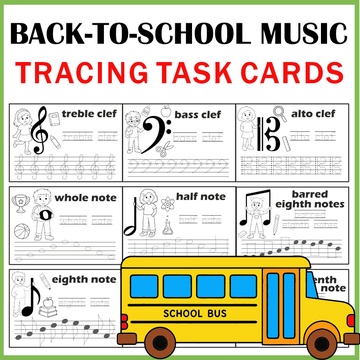
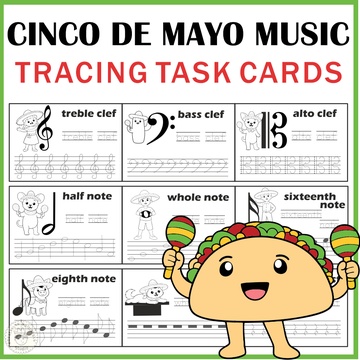
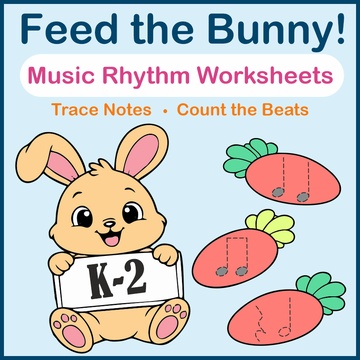
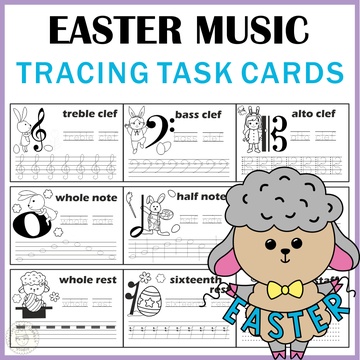
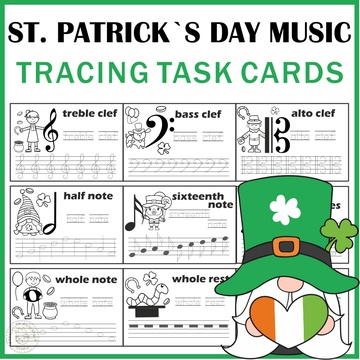
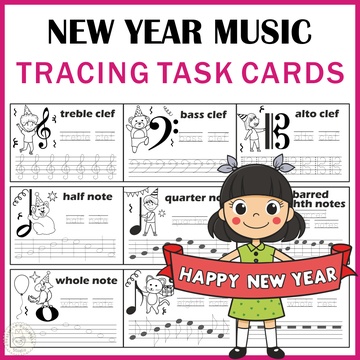
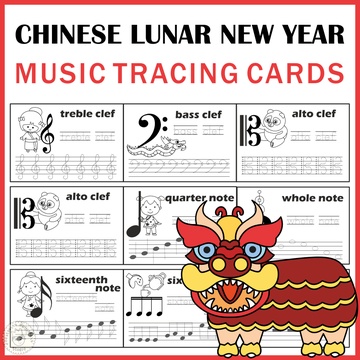
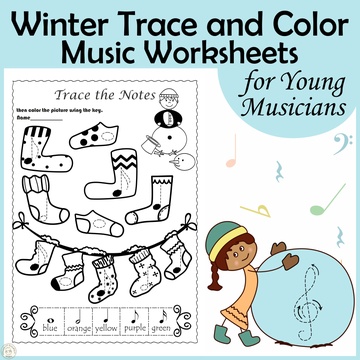
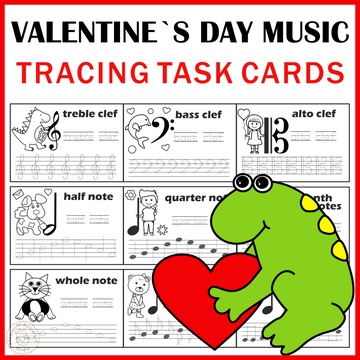
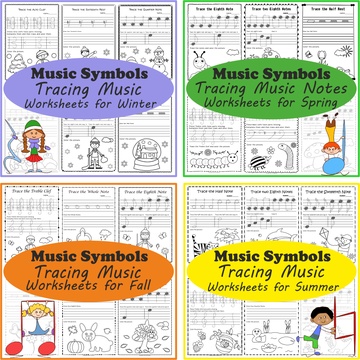
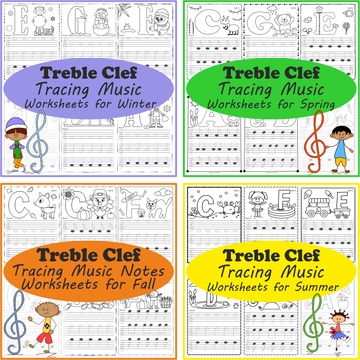
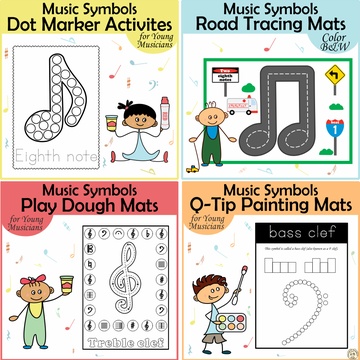
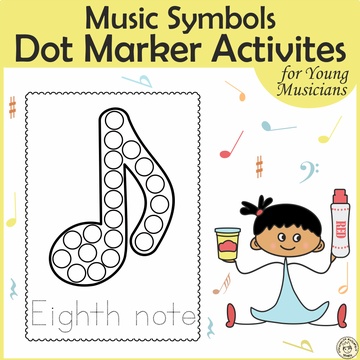
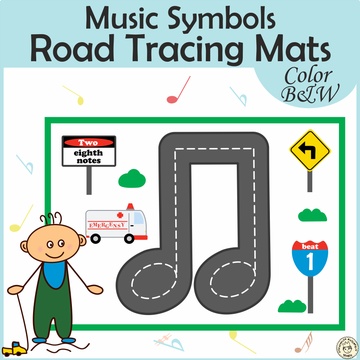
If you want ready-to-use music tracing worksheets for your lessons, you can find them in my store. These pages are designed for young music students and beginning note readers. They include clear models, large notation, tracing tasks, note-writing practice, and quiet activities that work well in music class, private lessons, and sub plans.
Please note: The illustrations featured in this article were created with the assistance of AI.
Tags:
Drawing Musical Notes Worksheet Music Tracing Worksheets Tracing Music Notes Worksheet Music Note Drawing Sheets Music Play Dough Mats